The National Safety Code for Residential Elevators
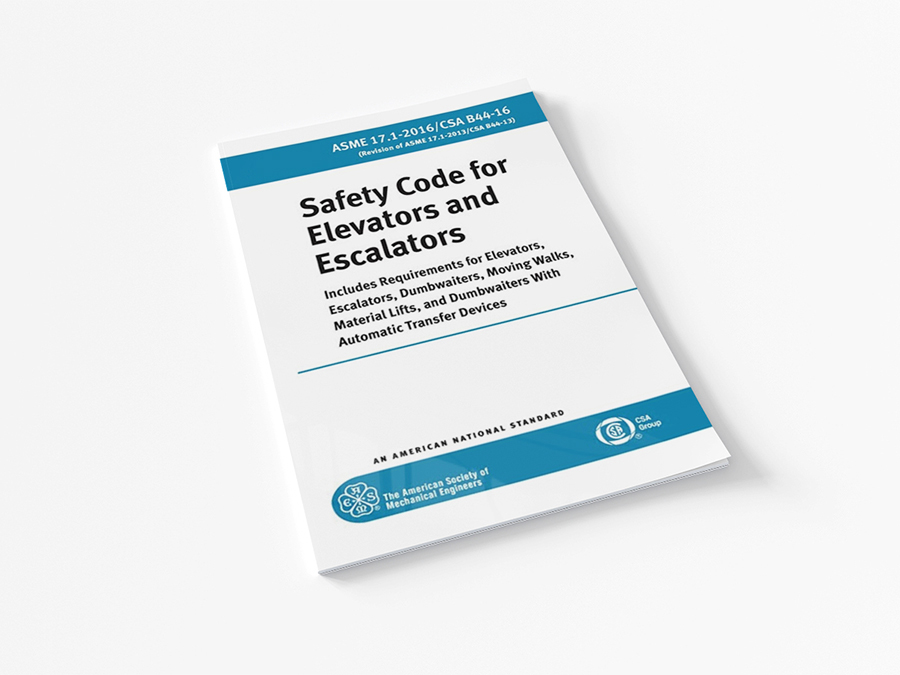
The ASME ANSI A17.1/CSA B44 – Section 5.3 is the industry standard set forth for private residence elevators. This standard has been adopted by most states to become the local code. It is important to note all states have not adopted the same year of the A17.1 standard and some states have not adopted any version.
The most current edition of the residential elevator safety code is ASME A17.1/CSA B44–2022, which governs the design and installation of private-residence elevators. Earlier editions, including the 2016 version, introduced an important safety requirement limiting the space between the elevator cab door and the hoistway landing door to less than 4 inches, a rule that remains in effect today.
Residential elevators built to the A17.1 standard must be certified by an accredited third party. When buying an elevator it is extremely important to make sure the manufacturer is selling equipment that is built to the A17.1 standard and certified by a third party. All elevators should be installed to the latest standard whether or not it is required by a local jurisdiction.
Elevator Industry Associations
Several key organizations and industry groups establish, maintain, and support the standards and best practices used throughout the elevator and accessibility equipment industry. These associations play a major role in safety code development, certification, education, and industry advancement for both commercial and residential elevator professionals.
- ASME American Society of Mechanical Engineers
- ANSI American Nation Standards Institute
- LIFTINSTITUUT
- NAEC National Association of Elevator Contractors
- AEMA Association of Members of the Accessibility Equipment Industry
Together, these organizations provide the framework for safe design, reliable installation, and ongoing compliance of residential elevators, helping meets modern performance and safety expectations.
In addition to the ASME ANSI A17.1/CSA B44 standards there are several other nationally recognized standards that are incorporated by reference for electrical safety, structural integrity, and fabrication.
Standards incorporated into elevator code;
- NFPA 70|NEC National Fire Protection Association
- UL Listing
- ASTM International (ASTM) for materials, glass, fasteners, and testing methods
- AWS D1.1 welding quality standards