If you’re curious about the cost of installing a home elevator and the general budget considerations, here’s what you need to know. A basic traditional style residential elevator serving two floors will typically cost $35,000 – $40,000 and $10,000 for each additional floor after. This is an average price for standard equipment. The price can change significantly for features like custom cab finishes, additional cab entrances or luxury upgrades with automatic doors.
The price will also vary greatly on several factors including elevator type, number of floors, cab style, location, and complexity of installation. An example of this would be a typical hydraulic elevator installation serving two floors.
When requesting price quotes from elevator companies, having at least three estimates for the elevator is always recommended. The estimates should be for the exact same type of elevator or they won’t be a true comparison.
Important items to compare include:
- Elevator equipment and drive system
- Number of landings and cabin entrances
- Cabin size, capacity, and finishes
- Hoistway and structural requirements
- Electrical requirements
- Permits and inspections
- Freight and installation
- Warranty coverage
- Maintenance requirements
- Hourly service and emergency-call rates
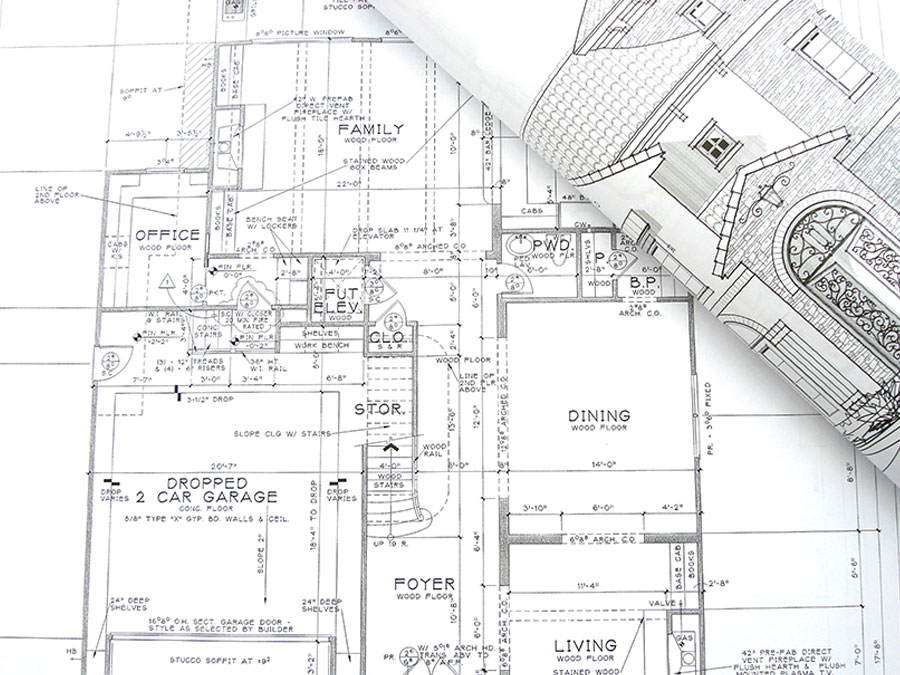
The hoistway construction cost is separate from the elevator price and can also vary depending on the requirements for construction, permitting, local regulations, and labor costs. Typically we see these costs to be around the same price of the elevator, however they can also range depending on the system. For a total budget with the hoistway construction cost we recommend planning on $60,000 – $80,000 for a two-stop traditional style elevator.
Home Elevator Cost Comparison by Type
The elevator price is only one part of your budget. Construction, electrical work, permits, and finish work can add to the total. The comparison below shows the pricing examples and installation considerations discussed in our guides.
Swipe across the table to compare all columns.
| Elevator type | Elevator pricing | Construction | Estimated budget |
|---|---|---|---|
| Hydraulic home elevator | $35,000 – $40,000 for a basic two-stop elevator and installation. Construction is additional. | An enclosed hoistway, pit, and separate machine room, plus related structural and electrical work. | Average $60,000–$80,000 planning budget for standard two-stop project including hoistway construction. |
| Machine Room-Less (MRL) elevator | Approximately $30,000–$35,000 for a basic two-stop MRL and installation. Construction is additional. | An enclosed hoistway and electrical work required. No separate machine room; quipment-access requirements vary by model. | Elevator and installation costs plus construction and site preparation. Request a complete project estimate. |
| Shaftless / through-floor elevator | Around $30,000, depending on model, size, and selected features. Construction and site preparation are additional. | A floor opening and related structural, electrical, and finish work. No separate hoistway, pit, or machine room. | Average $30,000 for the elevator, plus construction and site preparation. Your home’s layout determines the total. |
| Pneumatic vacuum elevator | Around $45,000 installed for a standard two-stop configuration, according to PVE’s published cost guide. Larger or customized projects cost more. | No separately constructed hoistway, pit, or machine room. Building and electrical work will depend on your home’s layout and the selected model. | Total costs vary by model and site requirements. Confirm what the installation quote includes. |
Pricing note: These figures are general planning estimates. Actual costs vary by model, location, number of stops, features, and site conditions. Confirm what each quote includes, especially installation, construction, electrical work, and permits. Vacuum elevator pricing is based on estimates published by PVE.
Financing Home Elevators
If you’re exploring the cost of a home elevator, understanding your financing options is just as important. From flexible payment plans to specialized home improvement loans, there are several ways to make your project more affordable. Check out the guide to financing options for home elevators and lifts.
Cost of owning an elevator.
In addition to the initial cost of the elevator and installation, it’s important to plan for the future costs associated with owning an elevator. Primarily this includes maintenance, repairs, and insurance. While these are relatively low compared to the price of an elevator, it’s good to prepare for these expenses in advance when considering the purchase.
What’s the most affordable elevator?
If you’ve been researching information about elevators for homes, you’ve likely seen shaftless elevators. Shaftless models are an affordable alternative compared to full traditional style elevators. This is because the overall project cost will be lower with saving in the construction cost.
The price for a good quality shaftless elevator will still be around $30,000 however, the construction modifications to fit the elevator in your home can be as low as $6,000-$7,000. While more affordable, its important to know this type of elevator has limitations of vertical travel distance, is only allowed to pass through one floor by current A17.1 code, and in most cases, has a lower weight capacity.
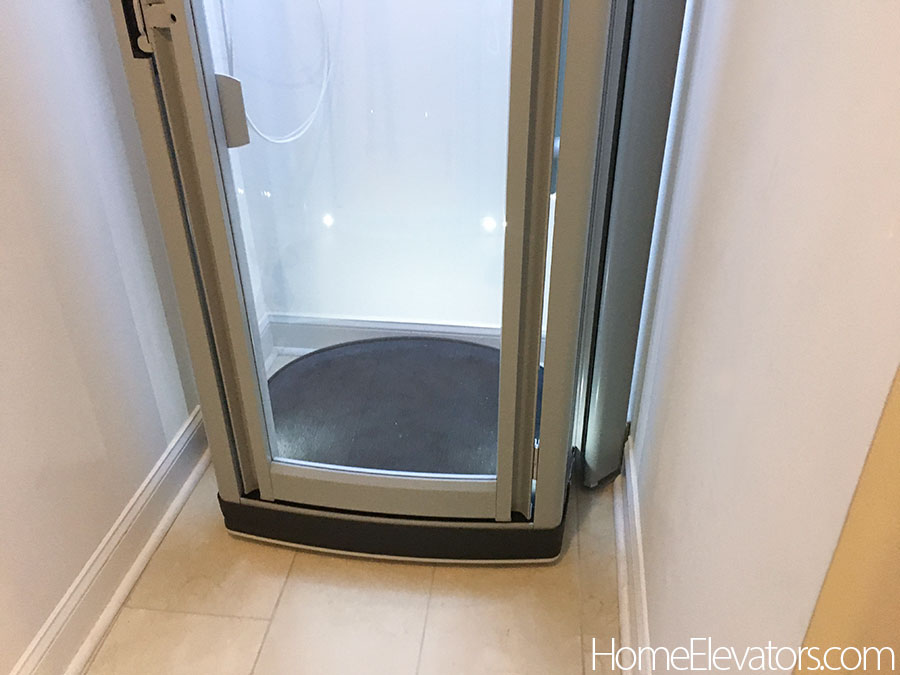
Even with these limitations, home lifts can still be a practical solution for basic mobility and access needs. Wheelchair lifts are also in this category and in some cases, can be a good alternative to help keep the cost lower.
Home Elevator DIY?
Some homeowners wonder if a home elevator can be purchased as a kit or installed as a DIY project to save money. In reality, elevators must be installed by licensed professionals to meet safety and code requirements. While a few companies sell “kits,” these still require certified installation and rarely offer meaningful savings.
Does an elevator add value to a home?
Buying an elevator is a large expense, so you may be wondering if installing an elevator in your home will increase its value. The answer to this depends on many variables, including how and where the elevator is installed. If done properly, an elevator can add value to a home.
A key element to this is placing the elevator into a home so it fits naturally. For existing homes, this can be more of a challenge however, it is possible. Choosing the location for the elevator is also important for daily use, and any accessibility needs should be taken into consideration. This is why the planning and design stage of an elevator installation is an important part of the process. In many cases, the ultimate value is in the mobility and convenience an elevator can provide.