Can a residential elevator be installed in a church? When churches look for ways to improve accessibility it’s common to wonder if a residential elevator can be used as a cost-effective solution. After all, residential elevators are smaller, often less expensive, and designed for homes so why not use one in a church?
In most states, residential elevators cannot be installed in churches. Here’s why, although some churches feel similar to residential spaces in size or use, they are legally classified as assembly or commercial occupancies. This classification drives which codes the building must follow.
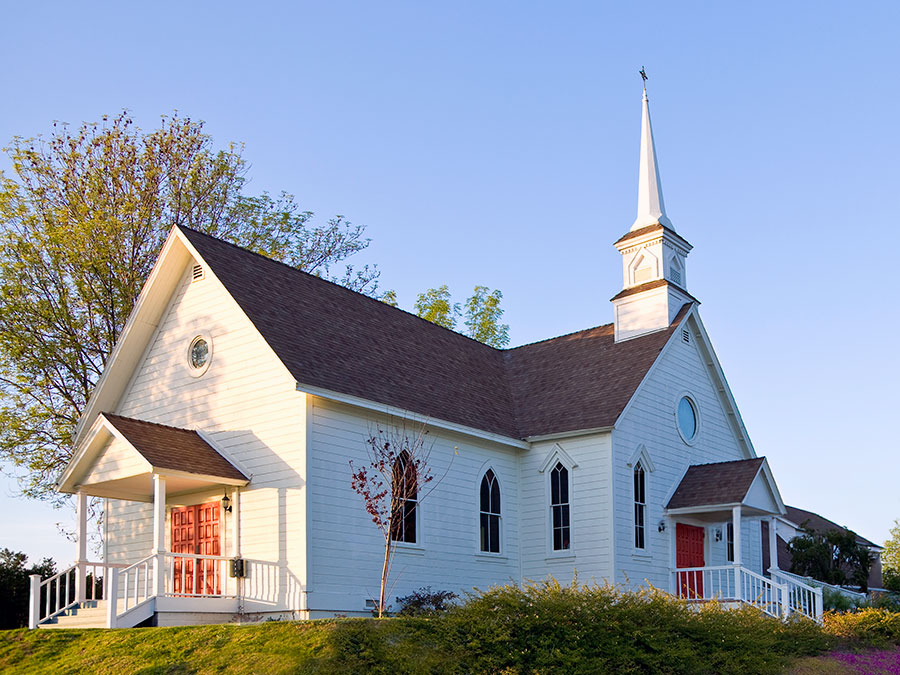
Churches Must Follow Commercial Building Codes
Across the U.S., churches are typically governed by the same building and safety standards that apply to other public or commercial structures. This includes the International Building Code (IBC), which dictates how public buildings must be constructed, maintained, and made accessible.
Churches must also follow the ASME A17.1/CSA B44 Elevator Safety Code, the national standard that regulates the design, installation, and inspection of elevators and lifting devices. In addition, local jurisdictions often adopt their own amendments and accessibility regulations, including requirements derived from the ADA, to ensure safe public use and equal access.
Because churches fall under these commercial and assembly-use codes, they are held to stricter safety standards than private residences. As a result, a residential elevator which is designed solely for use inside private homes does not meet the commercial requirements that apply to churches and other public buildings.
What about very small churches? Are there exceptions? It’s a common hope, but generally no, even small congregations or converted residential buildings used as churches must follow commercial elevator rules once the building functions as a public assembly space. The only exceptions tend to be extremely narrow and based on building classification, not congregation size.
What Churches Can Install Instead
Although residential elevators aren’t allowed in churches, there are several excellent alternatives that meet commercial code requirements and offer reliable accessibility. The first option is a commercial passenger elevator, which is the most robust and fully compliant solution. These elevators meet all public-use safety regulations, provide the highest capacity, and are fully accessible. The trade-off is that they come with a much higher cost and typically require extensive construction work.
Another strong option is a LU/LA elevator (Limited-Use/Limited-Application), which has become especially popular in churches and other small public buildings. LU/LA elevators have a smaller footprint than full commercial elevators and are generally more affordable. They are fully code-compliant for limited traffic and were designed specifically for environments like churches, schools, libraries, and small offices where moderate use is expected.
For churches needing only a short vertical rise, a Vertical Platform Lift (VPL) can be an ideal solution. VPLs are often used when just a few feet of travel is required and typically cost less than either LU/LA or commercial elevators. They are usually easier to install, can be configured for indoor or outdoor use, and ADA-compliant models are widely available. These lifts are especially useful for accessing stages, mezzanines, or small elevation changes within a building.
How to Get Started
If your church needs access to an upper level, the best place to start is by contacting a licensed local elevator contractor for a site assessment. From there, you’ll want to confirm specific requirements with your local authority having jurisdiction (AHJ), such as the state elevator inspector or building department, to verify the project meets all applicable codes. Once the regulatory framework is clear, you can compare the available options whether a commercial elevator, LU/LA elevator, or vertical platform lift to determine which solution best fits your space, usage, and budget. Planning for any necessary accessibility upgrades, including ADA compliance, should be part of this process as well. A reputable elevator company can guide you through the regulations and help you select a solution that is safe, legal, and cost-effective for your congregation.
Making the right choice for your church doesn’t have to be overwhelming. Having a clear understanding of which safe, code-compliant options are available can help you move forward with confidence. Whether you’re planning for accessibility, improving convenience, or simply connecting two levels, the right lift solution is out there. With the guidance of a qualified elevator professional, your church can find an option that fits your space, meets all requirements, and supports your community for years to come.
Ask a question or leave a reply.
Please register or log in to ask a question.