Home Elevator Removal Costs, Process, and Alternatives
A home elevator can provide many years of reliable service, but no elevator lasts forever. Aging equipment, unavailable replacement parts, safety concerns, or a major home renovation may eventually lead an owner to consider removing it.
Removal is not always the only or best option. Depending on the condition of the elevator and the homeowner’s future needs, repairing, modernizing, or replacing the system may make more sense. Before deciding, it is important to understand what removal involves, what happens to the hoistway, and which professionals may be needed.
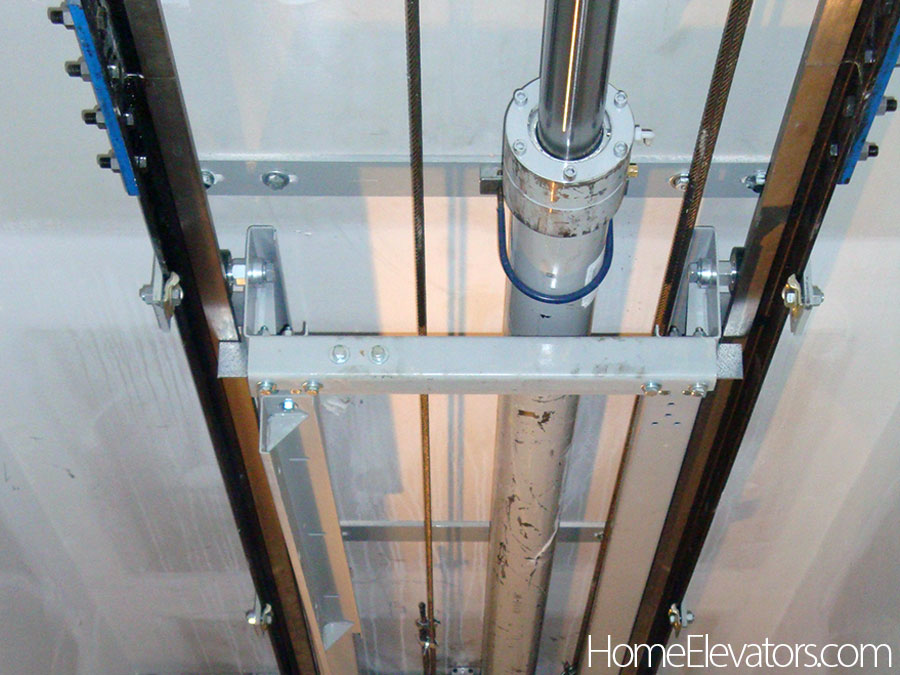
Why Remove a Home Elevator?
Home elevators are removed for many different reasons. Sometimes the elevator has reached the end of its service life. In other cases, it is still operational but no longer supported by its manufacturer or useful to the homeowner. Common reasons for elevator removal include:
- The elevator has become unreliable or requires frequent repairs.
- The model has been discontinued and replacement parts are difficult to find.
- The manufacturer is no longer in business or no longer supports the equipment.
- The controls, electronics, or wiring have become outdated or deteriorated.
- The drive system needs a repair that is difficult to justify financially.
- The elevator has safety problems that cannot be reasonably corrected.
- The original installation was improper or the surrounding structure is unsuitable.
- Water intrusion, corrosion, fire, or another event has damaged the equipment.
- A remodeling project will change the home’s floor plan.
- The homeowner no longer needs the elevator and wants to reclaim the space.
A home elevator that is 25 to 30 years old should receive a thorough evaluation. Its condition, maintenance history, parts availability, manufacturer support, and overall reliability are important factors to consider. An old elevator does not automatically need to be removed, especially if it remains safe, reliable, and properly maintained. In some cases, repairs or modernization may extend its life and cost less than replacement or removal.
Some home elevator product lines are no longer manufactured. If you own one, the first step is to identify the exact model and find out whether replacement parts and qualified service are still available. Discontinuation alone does not mean the elevator must be removed, but it can make a major repair more difficult or costly. See our guide to discontinued home elevators for examples of older brands and the options.
Should You Repair, Modernize, Replace, or Remove It?
Before removing an elevator, ask a qualified residential elevator company to inspect it and explain the available options. In many cases, an older elevator can be repaired or modernized with new controls, fixtures, door equipment, or drive components.
Modernization can be worthwhile when the elevator and hoistway are fundamentally sound and compatible replacement equipment is available. Complete replacement may be a better choice when much of the system is obsolete but the home still needs an elevator. Removal becomes more practical when the system cannot be safely or economically restored, when the owner no longer wants an elevator, or when keeping it would interfere with a larger renovation.
When comparing the options, consider more than the immediate estimate. Think about future accessibility needs, the effect on resale, the disruption caused by construction, and whether the existing hoistway could accommodate a new elevator. Removing an elevator now and rebuilding the space later could cost more than preserving a usable hoistway.
It may also be wise to obtain a second opinion before removing equipment because parts are said to be unavailable. An independent company familiar with the manufacturer may know of approved replacement components or modernization options that another contractor does not offer.
What Does Home Elevator Removal Involve?
Removing a home elevator is a technical project and should not be treated like ordinary demolition. The exact process depends on the elevator type, number of landings, drive system, equipment location, and plans for the space. The removal process typically includes:
- Taking the elevator out of service and securing it against use.
- Disconnecting electrical power and related control equipment.
- Removing the car, rails, cables or chains, controller, drive equipment, and landing components in a very specific order.
- Draining and properly handling hydraulic fluid when applicable.
- Removing or securing landing doors and interlocks.
- Removing equipment from a machine room, machine space, pit, or overhead area.
- Closing floor openings and rebuilding walls, floors, ceilings, and doorways.
The elevator contractor and building contractor usually perform different portions of the project. An elevator company will typically decommission and remove the elevator equipment. A licensed electrician will handle electrical disconnection, while a general contractor will perform framing, flooring, drywall, and other structural or finish work. The project may also require permits and inspections, depending on the jurisdiction and scope of work.
What Happens to the Elevator Shaft?
Removing the elevator equipment does not automatically eliminate the hoistway. The shaft is part of the home’s structure and must be left safe, secure, and suitable for its intended future use.
Some homeowners preserve the hoistway in case an elevator is installed again. Others convert the stacked space into closets or storage areas on each floor. During a major renovation, the openings may be framed and finished to become part of adjacent rooms.
Before closing the shaft, have a qualified contractor evaluate its construction. Filling floor openings or removing walls may affect framing, fire protection, utilities, and other building systems. Existing landing doors should not simply be left accessible after the elevator has been removed.
If there is any possibility that the home will need an elevator again, preserving the shaft may be the most economical long-term decision. Reconstructing a hoistway later can be much more disruptive than installing new equipment in an existing usable shaft.
How Much Does It Cost to Remove a Home Elevator?
There is no single standard price for removing a residential elevator, removal cost can range from $10,000 – $30,000 plus. The elevator equipment is only one part of the cost; restoring or repurposing the space can become the larger part of the project. Important cost factors for removal include:
- The elevator’s type and drive system.
- The number of floors and landing doors.
- The size and weight of the car and equipment.
- Access to the hoistway, pit, machine space, or drive equipment.
- Whether walls or finishes must be opened for removal.
- Hydraulic-fluid handling or other specialized disposal requirements.
- Local labor rates, permits, and inspection requirements.
- The amount of structural and finish work needed afterward.
- Whether the hoistway will be preserved, converted, or completely incorporated into the home.
For an accurate estimate, request an proposal that clearly separates elevator decommissioning and equipment removal from electrical, structural, and finish work. Also ask whether permits, inspections, disposal, and repairs to surrounding surfaces are included.
Can You Remove a Home Elevator Yourself?
Home elevator removal is not an appropriate do-it-yourself project. Even a small residential elevator contains heavy components, electrical equipment, suspension or drive systems, door interlocks, and other potential hazards. Hydraulic elevators may also contain oil that must be handled and disposed of correctly.
A qualified elevator contractor should place the system out of service and remove or secure the elevator-related equipment. Other licensed trades may be required to disconnect power, alter the structure, close openings, and finish the space. Using the appropriate professionals helps protect the occupants, workers, and future owners of the home.
Plan the Entire Project Before Work Begins
Home elevator removal involves more than taking out the cab and machinery. The elevator must be properly decommissioned, the hoistway and landing openings must be made safe, and the affected areas of the home may need significant reconstruction.
Start with an inspection by a qualified residential elevator company and compare removal with repair, modernization, and replacement. If removal is the right choice, coordinate the elevator contractor with the electrician, general contractor, and local permitting authority before work begins. Planning the complete project in advance allows for the safe removal of the elevator, proper finishing of the space, and a project that stays within budget.
Ask a question or leave a reply.
Please register or log in to ask a question.