Becoming an elevator mechanic can be a rewarding career choice that offers long-term job stability, hands-on technical work, and opportunities for advancement in a highly specialized trade. With ongoing demand for installation, modernization, and maintenance of elevators and lifts, skilled mechanics often enjoy high earning potential. The profession requires a solid foundation in electrical and mechanical systems, as well as specialized training and continuing education in elevator technology.
Aspiring mechanics typically start with on the job training, followed by an apprenticeship program that offers both classroom instruction and practical experience. Certification through organizations such as the National Association of Elevator Contractors (NAEC) is often necessary to meet industry standards, safety regulations, and local licensing requirements. For those entering the trade, apprenticeship programs like the National Elevator Industry Educational Program (NEIEP) provide a structured path to gain the skills and experience needed for certification or licensure. With a continuously growing demand for elevators, skilled mechanics can look forward to a stable career.
How to Become an Elevator Mechanic
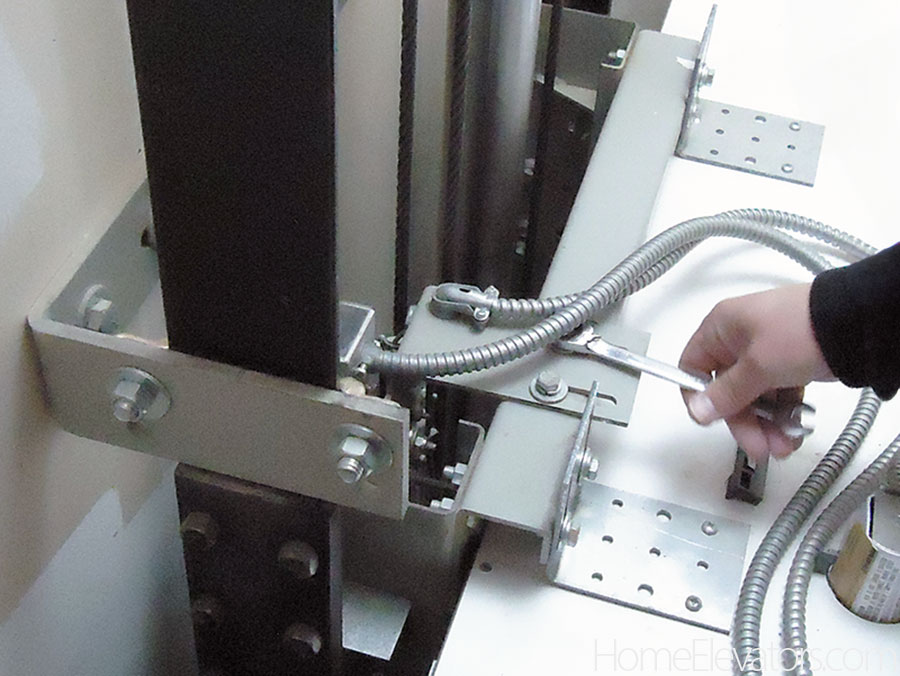
Apprenticeship Pathways – Many elevator mechanics begin their careers through apprenticeship programs, which offer a hands-on, structured entry point into the trade. The most well-known is the National Elevator Industry Educational Program (NEIEP), a federally registered apprenticeship that spans four to five years. These programs combine full-time, paid on-the-job training with classroom instruction in subjects like electrical theory, elevator systems, safety protocols, and mechanical design.
Completing an apprenticeship typically leads to certification or state licensing, depending on local requirements. Apprenticeships are ideal for individuals who want to earn a living while learning, and they’re often the foundation for long-term advancement in both residential and commercial elevator work.
Once an apprenticeship is completed or in some cases, while it’s still underway technicians may pursue additional credentials to formalize their expertise. Certification programs help validate a mechanic’s skills, demonstrate compliance with industry standards, and, in many cases, meet state licensing requirements. Whether working in residential or commercial settings, earning certification is a key step in advancing a technician’s credibility and career opportunities.
Certification Programs
The National Association of Elevator Contractors (NAEC) offers the Certified Accessibility and Private Residence Lift Technician (CAT) certification, specifically designed for professionals working with residential elevators and accessibility lifts. This certification ensures that mechanics are proficient in the unique requirements and safety standards of residential elevator systems, including stairlifts, vertical platform lifts, and limited-use/limited-application (LU/LA) elevators. It’s ideal for those focusing on the home accessibility market, where compact footprints, custom installations, and code compliance vary significantly from commercial systems.
Additionally, many states require elevator mechanics to hold a state-issued license or certification, which may include passing an exam or demonstrating a specific number of work hours under a licensed elevator contractor. Some jurisdictions recognize the Certified Elevator Technician (CET) program—also administered by the NAEC—as a credential for both residential and commercial work, especially for those not entering through a union apprenticeship.
Together, these certification paths ensure that elevator technicians meet rigorous safety, technical, and ethical standards—whether they’re working in private homes or commercial skyscrapers. For new entrants to the field, choosing the right certification depends on the type of work they plan to do and the regulations in their state.
What it’s Like to be an Elevator Mechanic
After a 30 year career in the elevator industry as a mechanic and contractor I’d say that when considering a career as an elevator technician, there are several additional factors and aspects to be aware of, which can help provide a thorough understanding of what the profession involves.
Job Responsibilities
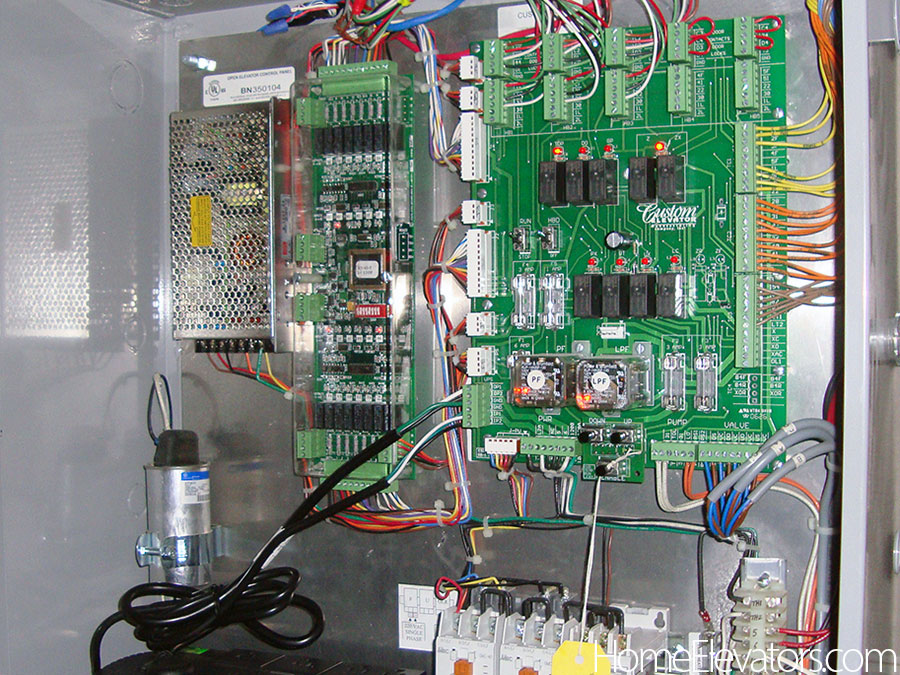
There’s the obvious, elevator mechanics install, maintain, repair, and inspect elevators, and other lift systems. But within each of these there are several important details like, reading manufactures shop drawings and building blueprints, or troubleshooting mechanical and electrical systems with schematics, performing safety tests, and ensuring compliance with evolving building codes and knowledge of safety regulations. With that said core skills required for elevator technicians include strong mechanical aptitude, electrical knowledge, advanced problem-solving abilities, attention to detail, and physical stamina. Good communication skills are also important for interacting with clients and colleagues.
Work Environment
As an elevator mechanic you’ll operate in a wide variety of environments, ranging from private homes and apartment complexes to high-rise office towers, hospitals, and industrial facilities. Each setting presents unique challenges. In residential projects, technicians may work in narrow shafts, or small machine rooms, often while coordinating with homeowners and contractors. In commercial buildings, they may need to navigate busy construction sites, operate around tenants, or perform maintenance in off-hours to minimize disruption.
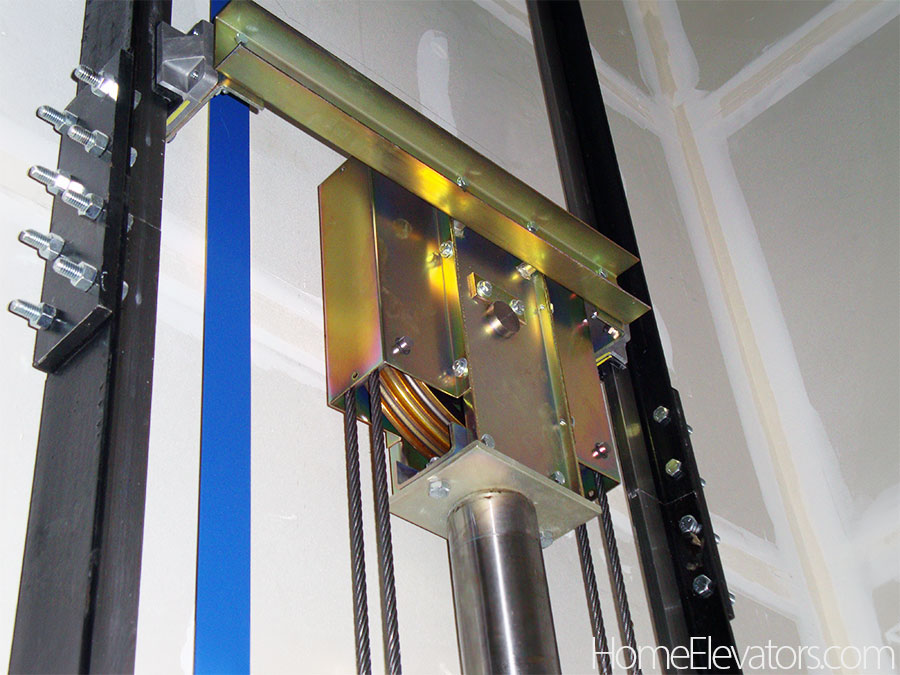
Much of the job takes place in confined spaces like elevator hoistways, controller cabinets, or underground pits. Technicians frequently work at heights, such as on top of elevator cars or within multi-story shafts, requiring proper harnessing and fall protection. Loud machinery, electrical components, and heavy tools are part of the daily environment, making ear and eye protection essential. In colder regions, outdoor installations or service on exterior lifts may expose technicians to varying weather conditions.
Due to these physical demands and potential hazards, safety is paramount. Technicians must strictly follow lockout/tagout procedures, wear protective gear, and remain updated on all local and national safety codes. Many companies conduct regular safety training, and union programs emphasize risk mitigation from the outset. Despite the inherent risks, a well-trained technician who follows safety protocols can work confidently and efficiently in a wide range of environments.
Hidden Benefits
While the work can be demanding, it also comes with some unexpected and rewarding experiences. Residential elevator mechanics often find themselves working inside high-end homes, historic estates, or unique architectural properties. Some even get the chance to install or service lifts in celebrity residences or custom-designed luxury homes, offering a behind-the-scenes look at places most people never get to see. It’s not uncommon to chat with interesting clients, see incredible interior design up close, or work alongside artisans and contractors on multi-million-dollar renovations.
For commercial elevator techs, the job might take you to the rooftops of skyscrapers, stadiums, or landmark buildings. After completing an install or service call, you could be rewarded with sweeping views from mechanical penthouses—panoramas of downtown skylines, waterfronts, or mountain backdrops that few people ever experience. Whether it’s riding in a glass elevator with the best view in the city or walking through hidden mechanical corridors few even know exist, the job comes with a level of variety, access, and perspective that makes each day a little more interesting than the last.
Career Growth and Advancement Opportunities
A career as an elevator mechanic offers more than just a steady job, it can be a launchpad for long-term professional growth. Technicians who gain experience in the field often have the opportunity to move into supervisory roles, such as service manager or project foreman, overseeing teams and coordinating installation or maintenance schedules.
With additional training or certification, some technicians transition into technical sales, inspection, or engineering support roles, especially at larger companies. Others move into training or safety compliance positions, helping mentor new technicians or ensure crews follow industry regulations. For those with a knack for design and systems thinking, becoming an elevator systems engineer is another path worth exploring.
This kind of upward mobility makes the elevator industry appealing not only for hands-on workers but also for those who want to build a lasting, evolving career. Whether you prefer working in the field or aspire to move into management or technical development, the elevator trade offers structured growth and solid long-term potential.
Continued education and specialized training in new technologies, such as smart elevators and advanced control systems, can also open up new career opportunities such as elevator consulting.
Job Outlook and Salary
The demand for elevator technicians is expected to grow due to the increasing need for elevator installation and maintenance in both new and existing buildings. According to the U.S. Bureau of Labor Statistics, the median annual wage for elevator installers and repairers was significantly higher than the median wage for all occupations, reflecting the specialized skills required for the job. The median annual wage for elevator and escalator installers and repairers was $106,580 as of May 2024. The lowest 10% earned less than $54,720, while the highest 10% earned more than $149,250.
Physical and Mental Demands
The job can be physically demanding, requiring lifting heavy equipment, standing for long periods, and working in various weather conditions. It also demands mental acuity for diagnosing complex issues and implementing precise repairs.
Understanding these aspects can help aspiring elevator technicians prepare for the challenges and opportunities in this field, ensuring they are well-equipped to pursue and succeed in this career.
Becoming an elevator mechanic is a fulfilling career choice that offers a blend of technical challenges and the satisfaction of providing residential accessibility and convenience. This profession requires a commitment to continuous learning, safety, and precision. With the proper training, certifications, and a dedication to staying current with industry advancements, elevator mechanics can enjoy a stable and rewarding career. The growing demand for residential elevators ensures numerous opportunities for skilled professionals. By combining technical expertise with a passion for helping others, home elevator technicians play a vital role in improving the quality of life for many homeowners.
Find a Job with Top Elevator Companies
The home elevator industry is growing rapidly, creating exciting career opportunities with some of the top companies in residential mobility and accessibility. From manufacturing and engineering to installation, sales, and service, companies are actively hiring professionals who want to be part of an innovative and meaningful field. Whether you’re an experienced technician, a project manager, or new to the industry, there are positions available across the country offering long-term growth, hands-on work, and the chance to help people live more comfortably in their homes.
Ask a question or leave a reply.
Please register or log in to ask a question.